Basketball Club Teams San Diego and the Importance of Player Accountability
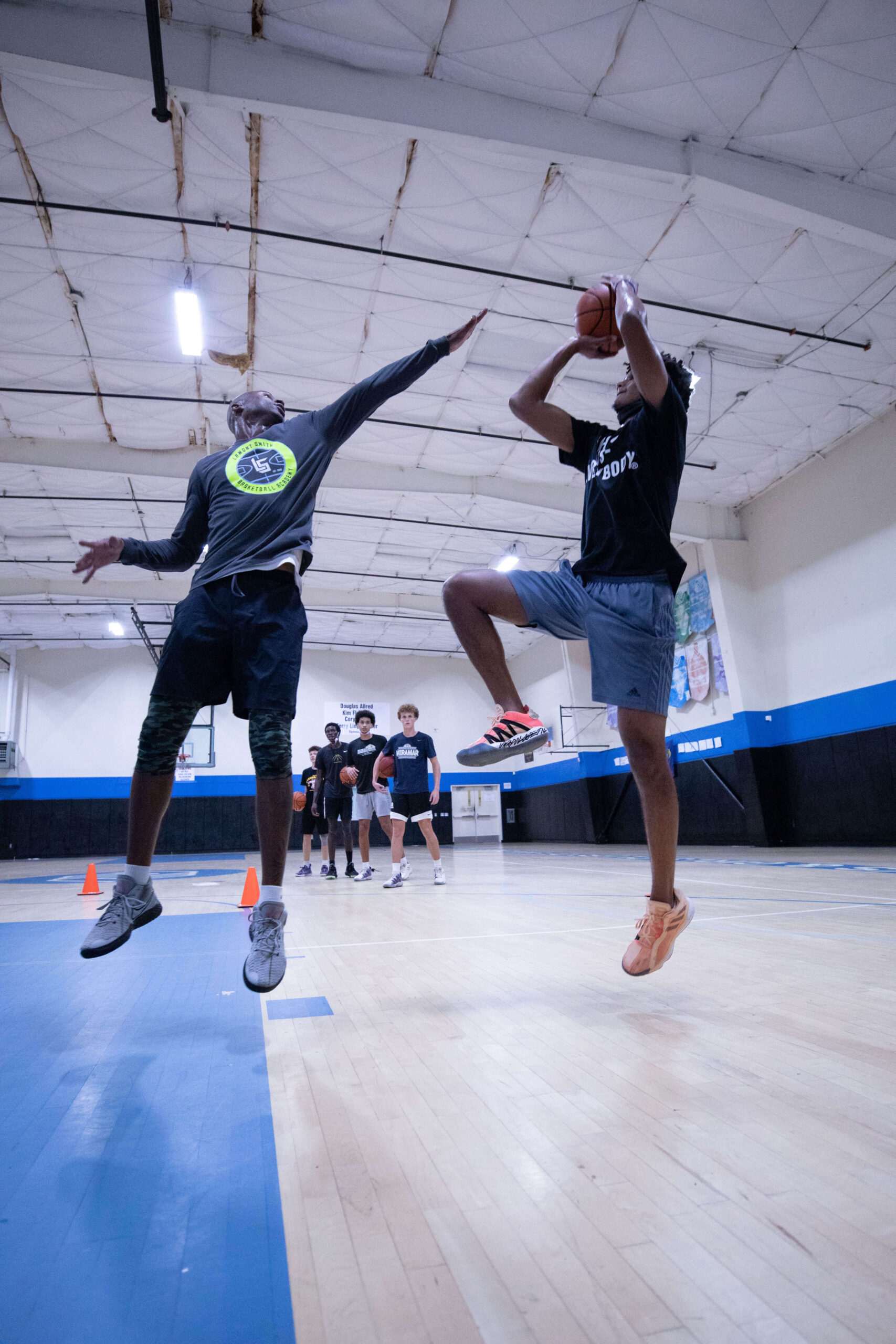
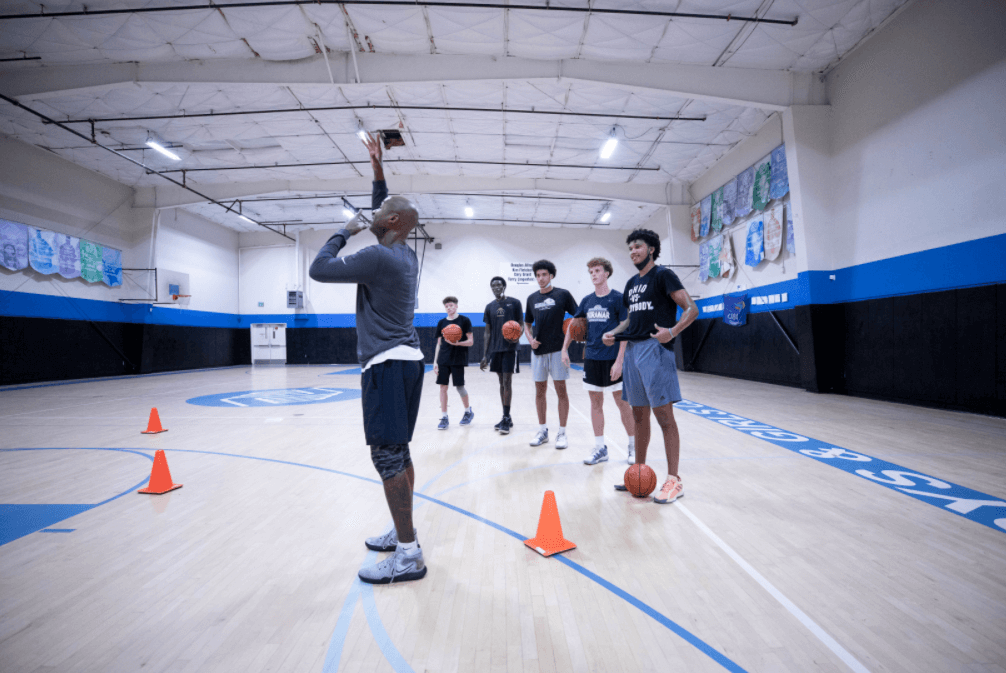
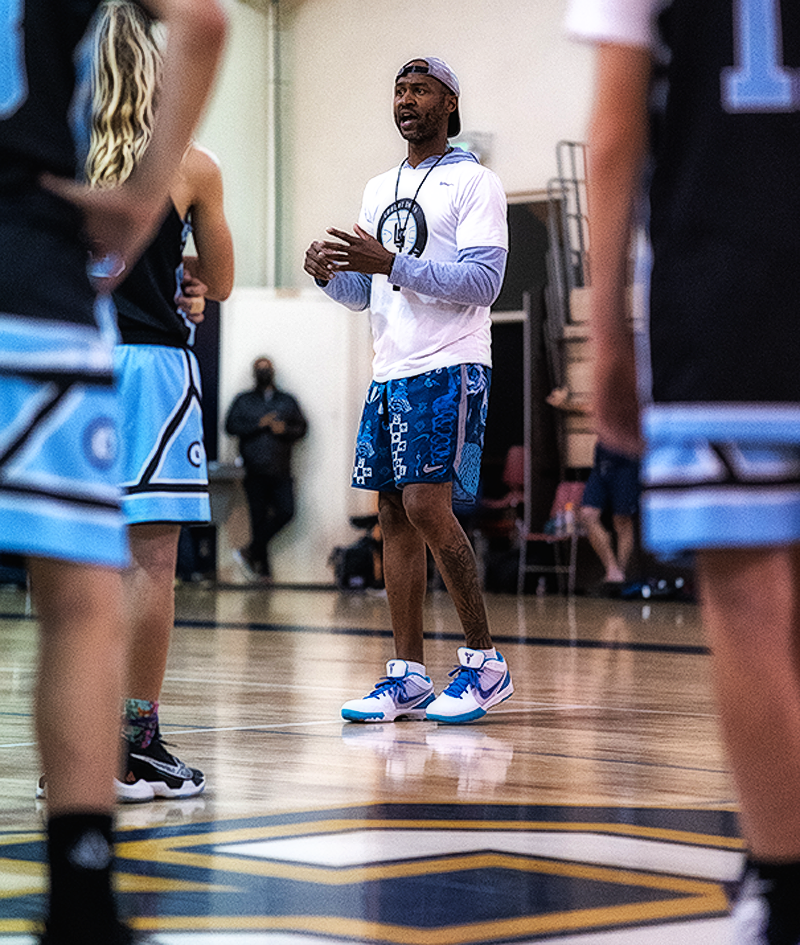
San Diego has no shortage of talented basketball players. Spend a weekend in a local gym from Chula Vista to Carlsbad and you will see it quickly. Guards with tight handles, wings who can really shoot it, bigs who run the floor hard, middle school players already studying footwork like college athletes. The region has depth, and that is one reason families look seriously at Basketball Club Teams San Diego offers. They want stronger competition, better coaching, and a path that feels more organized than a seasonal rec league.
Talent, though, is only part of the picture. Teams that develop players over several years usually have something else in place, something less flashy and far more important. They build accountability into the culture. Not the loud, performative version where a coach barks all game and calls it discipline. Real accountability is steadier than that. It shows up in attendance, effort, film habits, body language, communication, and how players respond when things do not go their way.
That matters in every city, but it matters even more in a competitive basketball environment like San Diego. Club basketball here can open doors, but it can also create bad habits if nobody is honest about roles, work, and responsibility. Players often juggle school teams, skill trainers, travel weekends, social pressure, and the constant noise of highlights and rankings. Without accountability, those moving parts become excuses. With accountability, they become structure.
What accountability actually means in a club setting
Player accountability is often misunderstood. Some parents hear the term and think it means punishment. Some players hear it and think it means losing minutes after one bad game. Good coaches know better.
Accountability means a player understands what is expected, accepts ownership of the standard, and is willing to be evaluated against it. That includes basketball tasks, but it also includes habits that affect the team. Being on time. Knowing a defensive coverage. Sprinting back after a turnover instead of arguing a call. Texting a coach early if an injury affects practice. Watching film without being chased. Handling success without getting casual and handling failure without folding.
In club basketball, accountability has to be clearer than in many school programs because the environment is different. Club teams spend less total time together than people assume. A weekend tournament may give you four games, but development still depends on the quality of practice habits and what players do between events. There is less room for drift. If players only lock in when spectators are present, the program stalls.
I have seen this firsthand with talented rosters that looked terrific in warmups and average by Sunday afternoon. The issue was rarely athleticism. More often, it was a group that had not learned how to hold itself to a shared standard when tired, frustrated, or facing a team that played harder.
Why San Diego club basketball makes this issue impossible to ignore
San Diego is a unique basketball market. The weather allows year-round training, which is a gift and a trap. Players can stay active constantly, but constant activity is not the same as purposeful development. Families can piece together training from club practices, private lessons, open gyms, school ball, and strength work. That can be excellent when all of it is aligned. It can also become scattered when nobody is asking hard questions about whether the player is improving in meaningful ways.
Basketball Club Teams San Diego families consider are often evaluated by obvious things first, competition schedule, uniforms, social media presence, tournament exposure, and the names attached to the coaching staff. Those things matter to a point. But one of the better indicators of a healthy program is whether it has a credible accountability system.
Does the staff track attendance and effort patterns, not just points per game? Do players know what earns minutes beyond scoring? Are mistakes corrected with specificity, or does the gym swing wildly between silence and shouting? When a player is late repeatedly, does someone address it directly? When a star player ignores defensive assignments, is he coached the same way as the last player on the bench?
In San Diego, where many players have options, it is easy for a weak accountability culture to survive longer than it should. Families can switch teams. Coaches may hesitate to challenge a top scorer for fear of losing him. Players can collect enough praise elsewhere to avoid self-reflection. That is why the best clubs are intentional. They know standards must hold even when a player has leverage.
Accountability is not anti-confidence
Some adults still treat accountability and confidence as if they are opposites. They are not. Most players become more confident when expectations are clear and fair. Unclear environments create anxiety. A player who never knows why he sat the fourth quarter, or why a teammate is allowed to coast through drills, starts guessing. Guessing is exhausting.
Accountability gives players usable feedback. It tells them, plainly, what is helping them and what is hurting them. That is how confidence becomes durable. A player who hears only praise may feel good on Friday and shattered on Sunday after a poor shooting game. A player who knows he rebounds, defends, talks, and competes regardless of whether shots fall usually stabilizes faster.
One of the strongest varsity guards I ever watched come through club ball in Southern California had games where he scored twenty and games where he scored six. His coaches never let his identity swing with the box score. They graded him on ball pressure, decision-making, communication, and pace. By his junior year, he was one of the calmest players in the gym because he understood exactly what his job was. That is accountability creating confidence, not crushing it.
Where accountability starts, long before game day
Culture is usually visible on game day, but it starts in ordinary moments. The first ten minutes of practice tell you plenty. Are players drifting in one by one, shoes untied, barely acknowledging the staff? Or are they getting treatment, stretching, and preparing with some urgency? Does the team huddle quickly when called, or does the coach need three reminders? Those details are not cosmetic. They reveal whether standards are real.
Strong club programs do not leave that to chance. They define expectations early, repeat them often, and enforce them consistently. Not harshly every time, but consistently. If the rule is to communicate schedule conflicts twenty-four hours ahead, then that standard applies to everyone. If the team values defensive talk, then quiet possessions in practice are corrected. If film is assigned, there is follow-up.
The best coaches also make accountability measurable without turning the game into a spreadsheet. They may chart practice effort, closeouts, turnover types, paint touches, or transition sprints. Younger players especially benefit when correction is concrete. “Play harder” is vague. “You jogged back on three possessions in five minutes” is specific. Specific feedback gives players something they can fix.
The role of coaches, and where coaches get it wrong
A coach sets the temperature of accountability. If standards shift based on who is producing, players notice immediately. If discipline appears only after losses, players notice that too. The message becomes obvious: winning covers everything. That never holds for long.
Good coaches in club basketball understand that accountability requires trust. A player must believe the correction is about growth, not ego. That means coaches have to communicate with some precision and restraint. Public embarrassment can produce compliance for a short time, but it often damages decision-making and initiative. Players start trying not to fail rather than trying to improve.
That does not mean everything should be soft. Some moments require direct language. If a player is disrespectful, lazy, or repeatedly unprepared, the conversation should be firm. But even firm coaching works better when players know the baseline is fair. The best staff members I have been around usually correct three things well. They separate the person from the behavior, they define what needs to change, and they follow up later when emotions are lower.
A coach also has to know the difference between inability and avoidance. A player who does not rotate correctly may need teaching. A player who knows the rotation and refuses to sprint into it has a different problem. Confusing those two leads to bad coaching. Teaching should not be punishment, and accountability should not be delayed behind endless explanation.
Parents shape accountability more than they realize
Club basketball parents invest heavily. They pay fees, drive long distances, adjust family schedules, and sit through long tournament days. That investment is real. So is the temptation to protect the child from every difficult conversation.
Here is the hard truth. A parent can undermine accountability in a single car ride home. If the player leaves the gym hearing that the coach is unfair, the refs were awful, and teammates are the problem, self-assessment disappears. Sometimes those complaints are partly true. Refs miss calls. Coaches make mistakes. Teammates can be selfish. But if that becomes the default framing, a player learns to externalize everything.
The healthiest parent approach is steadier. Ask what the player thought went well. Ask what felt difficult. Ask whether the role was clear. If the athlete raises a legitimate issue, help https://felixvylj619.wordcanopy.com/posts/basketball-club-teams-san-diego-and-the-pursuit-of-excellence them prepare to discuss it respectfully with the coach instead of fighting the battle for them immediately.
That process matters in Basketball Club Teams San Diego families often join during middle school and high school, because the years go fast. By the time recruiting conversations begin, coaches want athletes who can handle feedback, communicate maturely, and recover from adversity. No college coach is searching for a player whose first instinct is to blame.
The players who benefit most are not always the stars
People often assume accountability systems exist mainly to keep role players engaged. In reality, stars may need them even more. Talented players can receive constant validation. They may dominate younger age groups physically and score enough to hide weaknesses. Without accountability, they often plateau earlier than people expect.
A high-scoring wing who never guards, rarely moves without the ball, and resists coaching can still put up numbers at fourteen or fifteen. At seventeen, the game tightens. Everyone is stronger. Decisions happen faster. If he has not been held accountable for details, his margin shrinks.
Meanwhile, players who were not the best early often make huge gains in accountable environments. They learn to defend, communicate, lift in the offseason, and study the game. By junior year, they become the athletes coaches trust. Not because they were handed anything, but because they built habits that survive pressure.
I have watched this happen repeatedly. The eighth grader everyone talked about may still be talented later, but the player who learned punctuality, body control, and defensive discipline often passes him in overall value. Club basketball can expose that difference brutally.
What accountable programs tend to have in common
The details vary by coach and age group, but healthy programs usually share a few traits:
- Expectations are stated clearly, early, and often.
- Consequences are predictable, not emotional.
- Top players are coached by the same standard as everyone else.
- Feedback includes specifics players can act on.
- Improvement is valued alongside production.
That may sound simple. It is not. Consistency is difficult when a team is losing, when tournament schedules are chaotic, or when families push for answers after every game. Yet consistency is exactly what gives the system credibility.
Accountability and playing time, the most sensitive subject
Nothing exposes a club program faster than how it handles minutes. Playing time is where philosophy becomes real. A coach can talk all season about standards, but if a player ignores them and still closes every game because he scores, the room gets the message.
That does not mean minutes should be distributed equally in every age group or on every roster. Club basketball is competitive. Better players often play more, especially in older divisions. The issue is not equality. The issue is alignment. If coaches say they value defense, effort, and decision-making, those qualities must visibly affect opportunity.
The strongest coaches are usually transparent without over-explaining every substitution. They discuss roles. They define what a player can control. They explain that minutes can fluctuate by matchup, practice habits, and execution. Then they coach to those standards with enough consistency that players can connect cause and effect.
A common mistake is using playing time as the only accountability tool. Sometimes that is necessary, but it should not be the only option. A player may need a reset, a role adjustment, extra film work, or a direct conversation before sitting becomes the right response. On the other hand, endless warnings with no consequence drain authority. The art lies in knowing when a lesson requires the bench and when it requires teaching.
Social media has made accountability harder, and more necessary
Players now receive constant feedback, most of it shallow. A clip gets likes. A mixtape gets praise. A scoring game gets reposted. Very little of that environment rewards the habits that win over time. Nobody posts the sprint back on defense, the early help rotation, or the extra pass that creates the open three. Yet those are the actions coaches trust.
This creates a strange tension in club basketball. A player may feel he is thriving because his highlights travel, while his coaches see serious holes in shot selection, effort, or discipline. Without accountability, that disconnect grows.
San Diego players are no different from athletes anywhere else in this regard. They are influenced by what they see online and by what peers celebrate. A good club program meets that reality honestly. It does not pretend players are immune to outside attention. It teaches them to separate appearance from advancement. Looking recruited and becoming recruitable are not the same thing.
Building accountability without draining joy from the game
One concern parents sometimes raise is whether a high-accountability program becomes too rigid. That can happen. Structure without warmth turns stale. Young players still need energy, creativity, and room to make mistakes.
The best environments preserve joy by connecting standards to purpose. Hustle is not demanded just to prove obedience, it creates transition chances. Film is not assigned to burden players, it helps them see reads they missed live. Being on time is not about control for its own sake, it respects teammates and protects practice quality.
Coaches who do this well also notice effort publicly, not only mistakes. They praise unselfish plays, tough rebounds, and communication. They allow personalities to breathe. Players laugh, compete, and build relationships. Accountability works better in that setting because athletes do not experience it as constant threat. They experience it as part of doing meaningful work together.
Questions families should ask before joining a club team
Parents evaluating Basketball Club Teams San Diego provides can learn a lot by asking better questions. Instead of focusing only on schedule and exposure, ask about standards and communication.
- How do coaches define roles and evaluate progress?
- What happens when a player misses practice or shows poor effort?
- How is playing time discussed with families and players?
- Do coaches communicate directly with athletes about improvement areas?
- How does the program support development between tournaments?
The answers matter. Vague responses usually lead to vague culture. Specific answers suggest the staff has thought carefully about how the team operates when things get difficult.
Accountability prepares players for more than basketball
One reason this subject deserves more attention is that club basketball years are formative beyond sport. Accountability teaches players to handle correction without defensiveness, to prepare when nobody is watching, and to function inside a group where their preferences are not always the priority. Those are life skills, not just basketball habits.
A player who learns to own a missed assignment instead of hiding from it is learning something durable. So is the athlete who accepts a smaller role, works anyway, and earns trust over time. Not every club player will play in college. Very few will play professionally. All of them, however, will carry these habits somewhere else, classrooms, jobs, relationships, leadership roles.
That broader value is easy to miss when weekends become consumed by game results and standings. Yet years later, families often remember the coach who demanded honesty and consistency more than the one who won a spring tournament with a talented roster.
San Diego’s basketball community is strong enough to support both ambition and character. In fact, the best programs understand that those two things feed each other. Ambition without accountability burns hot and fades. Accountability gives talent direction. It turns scattered ability into dependable performance, and it helps young athletes become teammates coaches trust when the game gets hard.
For players entering the club scene, especially in a market as competitive as San Diego, that may be the difference that matters most. Not who looked best in one gym on one weekend, but who learned how to answer for their work, respond to coaching, and keep showing up with purpose. That is the kind of development that lasts.
Lamont Smith Basketball Academy
888 Clairemont Mesa Blvd Suite T-2, San Diego, CA 92123
(619) 639-8778
FAQ About Basketball Club Teams San Diego
How can a player join an LSBA club team?
Players are evaluated during practices so the coaching staff can recommend an appropriate team and development level. Families should contact the academy to confirm current openings and evaluation details.
Are club teams available for newer basketball players?
Yes. LSBA describes multiple levels, including a developmental option for newer players as well as more competitive teams for athletes with prior club experience.
What do LSBA club team practices emphasize?
Practices emphasize basketball fundamentals, team defense, structure, communication, and player development. The specific focus may vary according to the team and experience level.
Do all LSBA teams travel?
Travel expectations vary by level. Some teams focus on local competition, while advanced teams may participate in tournaments elsewhere in Southern California or beyond. Families should confirm the current schedule before enrolling.