How to Stand Out in Basketball Club Teams San Diego Tryouts
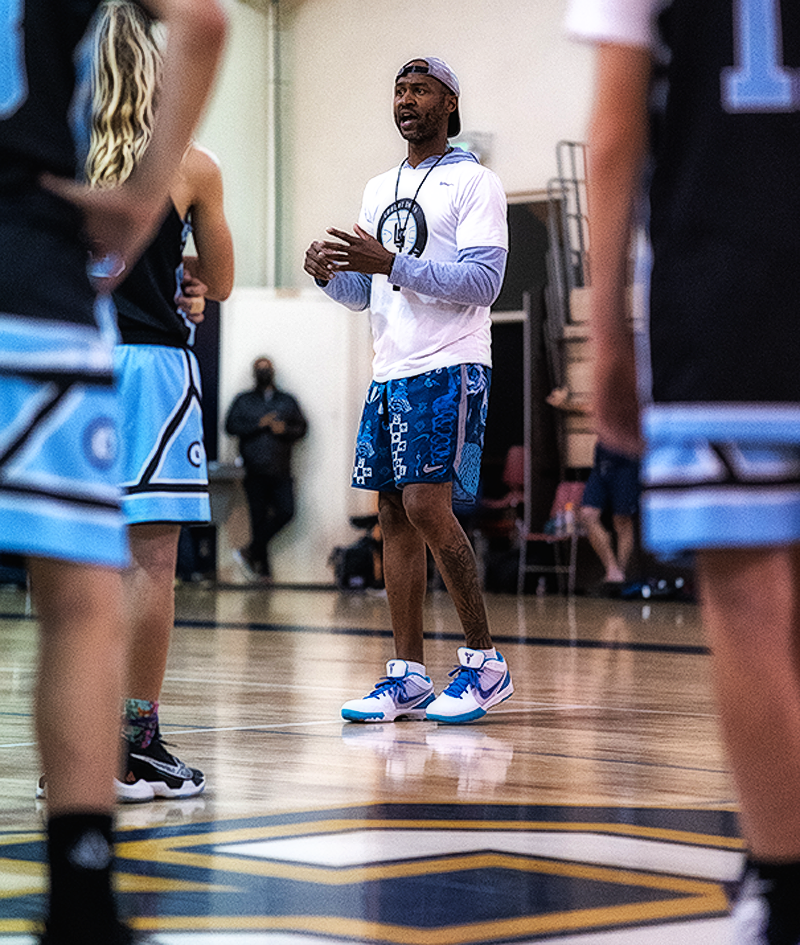
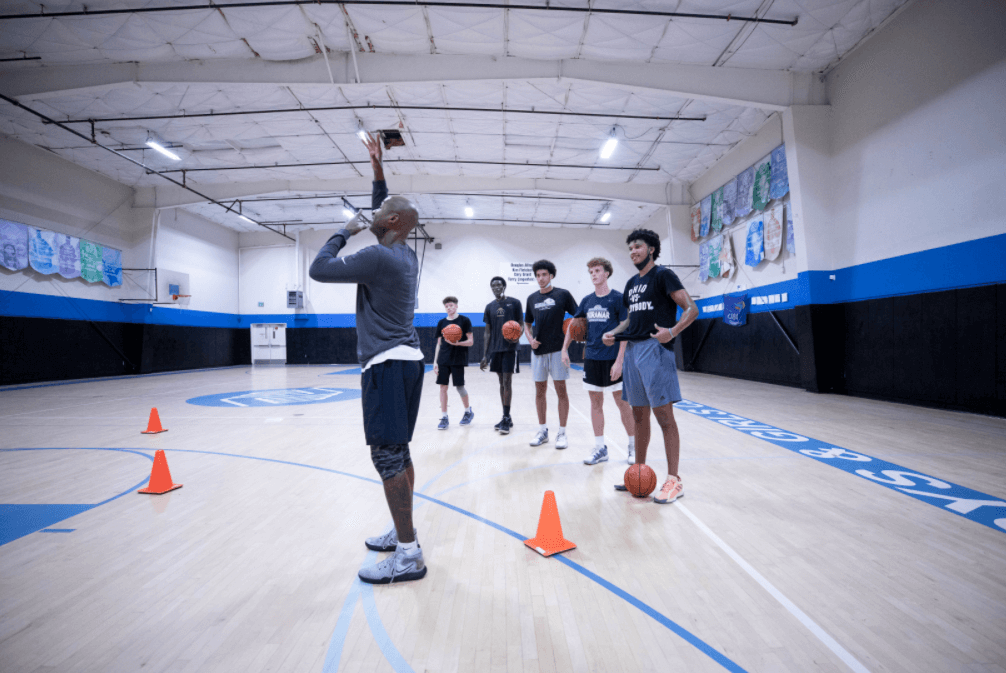
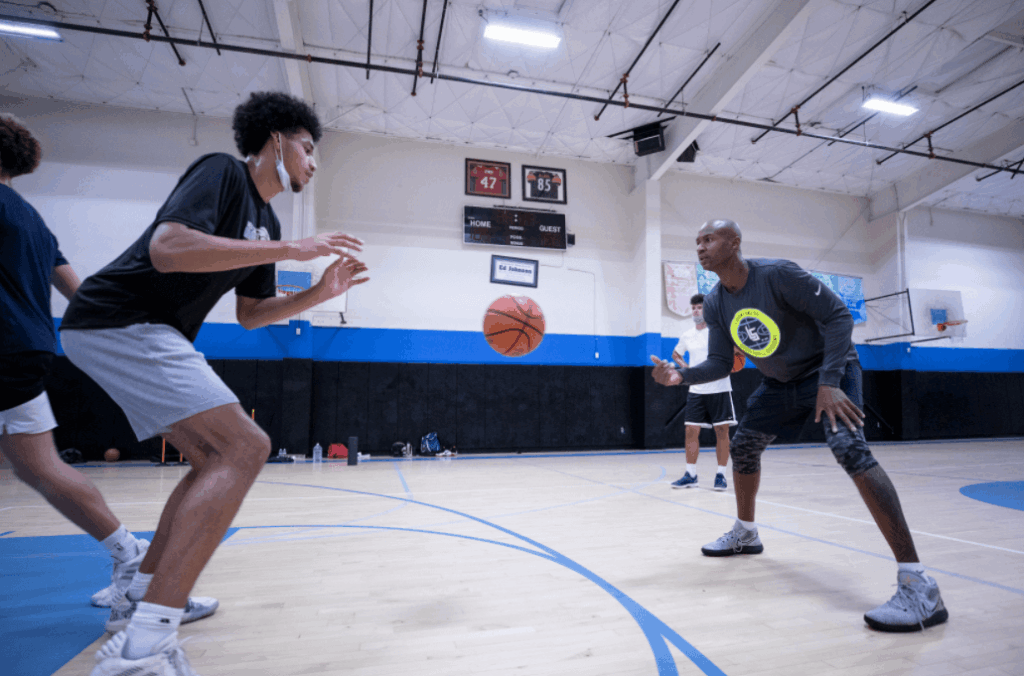
Tryouts for club basketball can feel crowded before the first whistle even blows. In San Diego, that feeling is real. The gym is usually full, the pace is quick, and evaluators often have only a few sessions to make decisions that shape an entire season. Plenty of players show up with talent. Fewer show up prepared for how club coaches actually evaluate talent under pressure.
That difference matters.
When families talk about making Basketball Club Teams San Diego programs, they often focus on the obvious things, scoring, athleticism, highlights, vertical leap. Those traits help, but they are not usually what separates the players who earn a spot from the ones who leave saying they were overlooked. Most club coaches are not building a mixtape. They are building lineups, rotations, practice groups, and a team culture that can survive a long season of tournaments, travel, and uneven game situations.
Standing out is not the same as showing off. At a serious tryout, those are often opposites.
What coaches are really looking for
A tryout is not a pure talent contest. It is closer to a compressed job interview in motion. Coaches are asking practical questions. Can this player help us play faster? Can this player defend without being hidden? Can this player absorb instruction in real time? Will this player elevate the group or drain it?
The strongest players understand that every drill is giving away information. A simple transition drill reveals conditioning, decision-making, communication, and effort after mistakes. A shell drill reveals stance discipline, awareness, and whether a player knows how to help and recover. Even a layup line tells coaches who carries themselves with maturity and https://www.google.com/maps?cid=10211666664564973643 who drifts mentally when the spotlight is off.
I have seen players arrive with a strong reputation and miss the mark because they treated the session like open gym. I have also seen less-hyped players earn coaches' trust in thirty minutes because they sprinted into every rep, talked on defense, made the easy pass on time, and competed on every 50-50 ball like the roster depended on it. Often, it did.
Especially in a deep local market, coaches are not just chasing upside. They are looking for reliability.
The San Diego club scene has its own rhythm
San Diego basketball has a particular mix. You get skilled guards, athletic wings, multi-sport athletes, and a lot of players who have had private training. That raises the baseline. At many Basketball Club Teams San Diego tryouts, the floor is higher than families expect. Even players who are not elite may still be fundamentally sound and physically prepared.
That means your edge usually comes from details.
A player who can defend the ball without reaching is more valuable than a player who scores twelve points in a scrimmage by hijacking possessions. A forward who rebounds outside of their area and starts the break with a strong outlet pass will get noticed faster than a player who calls for every touch in the mid-post. A guard who organizes teammates, gets into the offense, and protects the ball is often more attractive to coaches than a flashy scorer who gives up as many points as they create.
Club programs also vary widely. Some are chasing national exposure and high-level tournament circuits. Others are focused on development, local competition, and building fundamentals over time. A player trying out needs to understand that the same performance may be viewed differently depending on the program. A high-risk isolation scorer might appeal to one coach and worry another. A high-IQ glue player might be undervalued in one gym and loved in the next.
That is why standing out starts before you touch a basketball.
Preparation begins a week before tryouts, not in the car ride over
Players often underestimate how obvious poor preparation looks. It shows up in the last ten minutes of drills, when the legs go and concentration follows. It shows up in the second scrimmage, when decision-making gets sloppy. It shows up when a coach adds a constraint to a drill and a player freezes because they have only trained in predictable patterns.
You do not need a perfect month of training to improve your tryout chances. You do need a focused stretch of honest preparation. The week before tryouts should include game-speed ball handling, finishing through contact, defensive movement, shooting off the catch, and conditioning that resembles basketball effort rather than straight-line jogging. Short bursts matter more than easy mileage. A hard series of defensive slides, closeouts, and transition sprints does more for most tryout readiness than a long casual run.
Sleep matters more than players want to admit. If a player is trying to recover from late nights, poor hydration, and inconsistent meals, the body usually exposes that by the second hour of work. Coaches may not know why a player faded, but they notice that the player faded.
There is also a mental preparation piece that gets ignored. Players should know their identity before they enter the gym. Not the dream version of themselves, the useful version. Are you a defending guard who can knock down open shots? A wing who rebounds and runs? A big who screens, protects the rim, and finishes simple plays? Tryouts are a bad time to become someone else.
First impressions happen before the first drill
Club coaches watch how players enter the space. They notice whether a player checks in promptly, looks prepared, and warms up with purpose. They notice body language with parents, teammates, and staff. They notice who needs to be told twice.
This is not old-school nitpicking. It is pattern recognition. A player who drifts in late, forgets basic gear, or treats warmups casually is often signaling future headaches. A player who is early, engaged, and attentive signals coachability before any basketball evaluation begins.
The practical details are simple, but they matter:
- Arrive early enough to be fully warm, not just present.
- Wear clean, appropriate gear and shoes in good condition.
- Bring water, any required forms, and a ball if requested.
- Learn coaches' names and make eye contact when spoken to.
- Start your own dynamic warmup instead of waiting to be entertained.
None of that earns a roster spot on its own. It does remove reasons for doubt, and doubt matters at the margins.
The fastest way to stand out is on defense
Offense gets attention from the crowd. Defense gets attention from coaches.
At tryouts, many players are eager to prove they can score. That leads to forced shots, dribbling into traffic, and long possessions with no purpose. Defense, on the other hand, is where disciplined players create separation fast. A great closeout, an early help rotation, a deflection, a clean box-out, those plays signal habits. Habits translate.
Strong defenders stand out because defense is hard to fake. You either get into the stance, move your feet, talk, and compete through fatigue, or you do not. Coaches know the difference between a player who is truly engaged and one who only perks up when guarding the ball for a few seconds.
If you want one dependable way to earn trust at Basketball Club Teams San Diego tryouts, become a player who raises the defensive level of every group you join. Pick up the ball with intent. Communicate screens. Tag cutters. Sprint back. Finish possessions with rebounds. These are not glamorous points, but they build rosters.
One of the clearest patterns at tryouts is that coaches forgive an occasional missed jumper far more easily than repeated defensive breakdowns. A shot can rim out. A bad closeout is a choice.
Offense should look efficient, not desperate
There is a common tryout mistake that shows up in almost every gym. A player feels they have limited chances to get noticed, so they force action on every catch. The result is usually the opposite of what they intended. Coaches see impatience, poor shot selection, and weak feel for the game.
Offensively, the best tryout performances often look simple. The ball moves. The player attacks closeouts instead of settled defenders. They make the extra pass. They know when to cut, when to space, and when to reverse the ball instead of overdribbling. They finish strong when the lane opens, but they do not hunt shots that are not there.
For guards, this is especially important. A scoring burst can help, but clubs need organizers. If you are a guard, your first job in a tryout scrimmage is not to prove you can get twenty. It is to prove you can run a team without wasting possessions. Get people into spots. Push pace when numbers are there. Pull it out when they are not. Value the ball. Recognize time and score if the format creates those situations.
For wings, coaches notice spacing and timing more than many players realize. Good wings do not drift toward the ball and shrink the court. They relocate, fill corners, cut at the right moment, and rebound from the weak side. A wing who defends and makes timely offensive plays is a coach's friend.
For bigs, the basics travel. Sprint rim to rim. Set real screens. Roll with force. Seal deep. Rebound with two hands. Contest without fouling. A big who does those things consistently can make a strong impression even without polished perimeter skills.
Communication is a separator
The quiet player is not always disengaged, but at tryouts silence can cost you. Coaches need evidence. They cannot assume you know the coverage if you never call it out. They cannot assume you see the floor if you never direct traffic. Communication proves awareness.
This does not mean nonstop chatter with no substance. Empty noise irritates good coaches fast. Useful communication is specific and timely. Calling "screen left," "I got help," "one more," or "cut through" matters. So does huddling quickly between reps, asking a clear question when instruction is given, and responding to corrections with visible adjustment instead of defensiveness.
There is also an emotional side to communication. Good teammates steady the group. They clap for hustle, own mistakes, and move on. Club seasons are long. Coaches are always scanning for players who can handle adversity without unraveling.
I remember a tryout years ago where two guards were close in talent. One made a few more shots. The other missed some early looks but kept talking on defense, encouraged teammates after blown coverages, and immediately fixed two coaching points. The second guard made the team. The coach later said something blunt and accurate: "I know what I can coach with."
Coachability is visible in real time
Players often say they are coachable, but tryouts reveal whether that is true. Coachability is not nodding after feedback. It is applying the correction on the next rep.
If a coach tells you to widen your stance on defense and you do it immediately, that registers. If a coach asks the group to reverse the ball before attacking and you continue pounding the dribble into help, that registers too. In a crowded tryout, coaches cannot spend ten minutes unpacking each possession. They want players who process quickly.
This matters even more when nerves are high. Under pressure, players revert to habits. If your habit is to defend coaching, blame teammates, or drop your head after mistakes, it will show. If your habit is to listen, reset, and compete harder, that shows as well.
Families sometimes believe coaches only keep the most naturally gifted players. At the highest levels, gifts matter. But for many club teams, especially where roster spots are tight and practice time is precious, coachability can be the tie-breaker. Nobody wants to spend an entire season dragging a talented player toward basic standards.
Body language can make or break the evaluation
Few things sink a tryout faster than negative body language. Slumped shoulders after a turnover, staring at the referee in a scrimmage, glaring at teammates, jogging back after a mistake, all of it gets noticed. It tells coaches that adversity affects your effort.
Good body language does not mean pretending to be happy after every mistake. It means staying composed and useful. Sprint back. Clap once. Fix the error on the next play. If you get subbed out or rotated to a different group, stay engaged. One of the easiest tells in a tryout is who competes only when the lineup suits them.
This is especially important for talented players who expect to be featured. Club coaches know ability. What they are trying to learn is whether your habits hold up when you are uncomfortable. Maybe the ball is not finding you. Maybe you are being asked to defend full court. Maybe the scrimmage group is messy. The players who rise in that setting tend to keep rising all season.
Common mistakes that hurt strong players
Some tryout errors are so common that they are almost predictable. Even good players fall into them when they feel pressure to impress.
- Forcing contested shots early to establish yourself as "the scorer."
- Dribbling too much instead of making quick decisions.
- Taking possessions off defensively, especially away from the ball.
- Sulking after mistakes or after not getting the ball.
- Ignoring the coach's stated emphasis and playing your own game anyway.
What is striking is how fixable these mistakes are. None require a major skill jump. They require discipline, awareness, and self-control.
Position-specific ways to separate yourself
A lot of generic tryout advice misses an important point. Coaches do not evaluate a 5'9" point guard the same way they evaluate a 6'4" wing or a developing post player. Standing out means solving the questions tied to your role.
For point guards, the central question is whether the game settles down when you have the ball. Can you handle pressure without turning sideways and getting trapped? Can you create an advantage and then make the easy read? Do your teammates get cleaner looks because of your pacing? A guard who scores fifteen but coughs up six live-ball turnovers usually leaves coaches uneasy.
For combo guards, clarity matters. If you are in between positions, show that you can contribute without monopolizing the offense. Hit open shots, defend your matchup, and make quick reads. The danger for combo guards is trying to prove both roles at once and doing neither well.
For wings, versatility is the currency. Can you guard multiple spots, rebound traffic, and score without needing heavy usage? The wing who runs the floor, cuts hard, and knocks down open jumpers often makes a stronger case than the wing who wants every action designed for them.
For forwards and centers, effort and physicality are impossible to hide. Coaches look for rim running, rebounding discipline, screening angles, hands, and willingness to contest. A big who changes shots and secures rebounds gives immediate value. If that same player can pass out of short rolls or hit a short corner jumper, even better. But the foundation remains force, timing, and consistency.
Parents play a role, even when they think they do not
Most club coaches are evaluating families as much as players, though they may never say that publicly. They want to know whether communication will be manageable, whether expectations are realistic, and whether the environment around the player supports growth.
Parents help their child most by creating calm. Let the player own the tryout. Resist coaching from the sideline. Avoid visible frustration, animated reactions, or conversations that turn every missed shot into a referendum on fairness. Coaches notice which families increase stress and which ones bring steadiness.
After the session, the car ride matters. The best post-tryout conversations are short and grounded. Ask the player how they felt. Ask what they did well and what they would improve. Do not perform a possession-by-possession autopsy. A lot of players need space to process before they can learn.
If you are not the best athlete in the gym
This is where many players lose confidence too early. They look around, see explosive athletes or polished scorers, and assume the deck is stacked. But club basketball is filled with players who made teams because they understood value better than the room did.
If you are not the best athlete, you can still be the most dependable. You can still be first to the floor, best in help-side positioning, most willing screener, cleanest passer, strongest communicator, and most composed decision-maker. Coaches remember players who improve the shape of the game.
One of the most effective tryout performances I ever watched came from a player who probably was not in the top five physically. He defended without fouling, hit two open threes, took one charge, made every simple pass on time, and never stopped talking. He did not dominate. He clarified winning basketball in a chaotic gym. He got the spot.
What to do if the tryout does not go your way
Not making a team is frustrating, but it is not always a final verdict on your ability. Sometimes a roster need works against you. Sometimes a returning player fills your likely role. Sometimes a coach simply prioritizes a different profile. That does not mean the evaluation was useless.
If possible, ask for feedback respectfully and briefly. Not every program can provide detailed notes, but some will. If you get input, listen for patterns. Did they mention pace, strength, decision-making, defense, shot consistency, communication? Specific feedback is useful. Vague reassurance is not.
Then get back to work with purpose. A player who turns disappointment into a three-month development plan often makes a huge jump by the next window. That plan should be tied to game needs, not fantasy skills. If turnovers cost you, train decision-making under pressure. If you struggled to guard the ball, build lateral movement and conditioning. If you passed up open shots, address confidence through repetition and live reps.
Club basketball rewards late bloomers more often than people think. A missed tryout can become a hinge moment if the response is honest.
The players coaches remember
Long after scores and drill results blur together, coaches remember a certain type of player. The one who competed on every possession. The one who listened. The one who made teammates better. The one whose effort did not depend on whether the ball found them.
That is the real opportunity at Basketball Club Teams San Diego tryouts. Not to prove you are perfect, but to prove you are useful in ways that lead to winning. Talent opens the door. Judgment, poise, and consistency usually decide who walks through it.
If you approach tryouts with that lens, the process becomes clearer. Prepare your body. Know your identity. Defend with urgency. Play offense with discipline. Communicate. Show that coaching improves you immediately. Carry yourself like someone a staff can trust in February, not just someone who looks good for ten minutes in September.
That is how players stand out, and more importantly, how they stick.
Lamont Smith Basketball Academy
888 Clairemont Mesa Blvd Suite T-2, San Diego, CA 92123
(619) 639-8778
FAQ About Basketball Club Teams San Diego
How can a player join an LSBA club team?
Players are evaluated during practices so the coaching staff can recommend an appropriate team and development level. Families should contact the academy to confirm current openings and evaluation details.
Are club teams available for newer basketball players?
Yes. LSBA describes multiple levels, including a developmental option for newer players as well as more competitive teams for athletes with prior club experience.
What do LSBA club team practices emphasize?
Practices emphasize basketball fundamentals, team defense, structure, communication, and player development. The specific focus may vary according to the team and experience level.
Do all LSBA teams travel?
Travel expectations vary by level. Some teams focus on local competition, while advanced teams may participate in tournaments elsewhere in Southern California or beyond. Families should confirm the current schedule before enrolling.